Hey there! If you’re running a business in the Evergreen State, you’re probably already juggling a million tasks. But let me ask you—how protected are you against unexpected slip-ups? That’s where errors and omissions insurance comes into play. This guide will walk you through everything you need to know about securing this crucial coverage in Washington State.
Whether you’re a tech startup, a legal firm, or a real estate agency, understanding the intricacies of errors and omissions insurance can be a game-changer. From legal requirements to cost factors, we’ve got the insights to help you safeguard your business like a pro. Let’s dive in!
Understanding Errors and Omissions Insurance
Did you know that 37% of small businesses have faced a lawsuit at some point? That’s where Errors and Omissions Insurance (E&O Insurance) comes in. It’s the safety net you didn’t know you needed until it’s too late.
E&O Insurance is designed to protect businesses from claims of negligence or inadequate work. So, if a client believes you made a mistake or failed to deliver on your promises, this insurance helps cover legal costs and potential settlement fees. It’s a must-have for any service-based business.
Businesses That Need Errors and Omissions Insurance
If you’re in a profession where your advice or service could impact your clients significantly, you need this insurance. IT consultants, real estate agents, and financial advisors are prime examples. Even marketing consultants can benefit from E&O Insurance. Basically, if you provide expertise or a service, you’re a candidate.
- IT Consultants
- Real Estate Agents
- Financial Advisors
- Marketing Consultants
Comparing Errors and Omissions Insurance to General Liability Insurance
Here is the deal: E&O Insurance is not the same as general liability insurance. While general liability covers physical injuries and property damage, E&O is your defense against professional mistakes.
| Insurance Type | Covers |
|---|---|
| Errors and Omissions Insurance | Negligence, mistakes, inadequate service |
| General Liability Insurance | Physical injury, property damage |
Pro Tip: Combine both types of insurance for comprehensive coverage.
Without E&O, you’re exposed to hefty legal fees and settlements. But with it, you can operate smoothly, knowing that your back is covered when things don’t go as planned.
Legal Requirements in Washington State
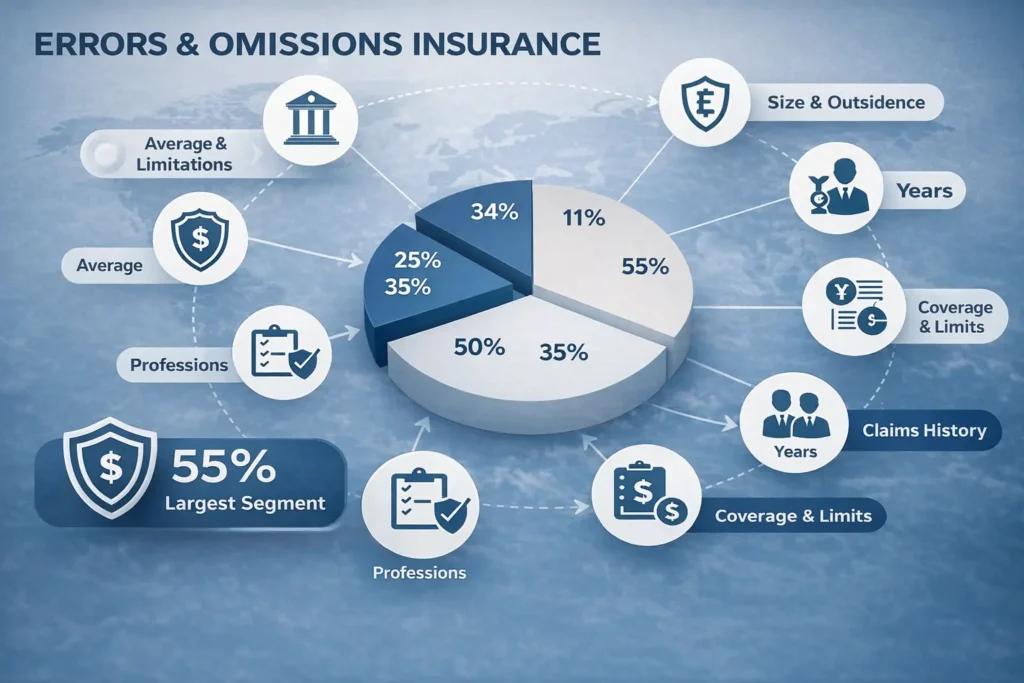
Are you aware that in Washington State, specific sectors are required by law to have errors and omissions insurance? If you’re not, you could be at risk of non-compliance without even knowing it.
This type of coverage isn’t just a “nice-to-have”—it’s a legal necessity for certain professions. Let’s dive into the specifics and make sure you’re on the right side of the law.
Mandatory Sectors for Errors and Omissions Insurance
In Washington State, sectors like real estate, law, and financial services are mandated to carry errors and omissions insurance. That’s right—if you’re a real estate agent or a lawyer, you can’t legally operate without it. This insurance is crucial to protect you from claims of negligence or failure to perform your duties.
Here is the deal: The state doesn’t just suggest; it requires that professionals in these fields maintain a minimum level of coverage. Ignorance of these requirements could lead to fines or even loss of your professional license.
Impact of State Regulations on Coverage and Policy Terms
State regulations in Washington directly impact both the coverage limits and the policy terms you can obtain. For example, minimum coverage levels might be stipulated, meaning you can’t opt for the cheapest, bare-bones policy and still meet state requirements.
But there’s a silver lining. These regulations are designed to ensure a baseline of protection for both professionals and their clients. This is especially important in sectors with a high risk of litigation. You can’t afford to overlook this aspect if you want to protect your career and your clientele.
Pro Tip: Always consult the Washington State Office of the Insurance Commissioner to ensure your policy meets all legal requirements.
Coverage and Policy Details
Did you know that one small mistake could cost your business thousands of dollars? Errors and omissions insurance is your safety net. It’s crucial to understand what’s covered in Washington State.
Here is the deal: E&O insurance typically covers legal fees, court costs, and settlements related to professional negligence. But it doesn’t cover everything. Let’s dive into what’s specifically covered in Washington State.
Typical Coverage Elements
When you invest in E&O insurance in Washington State, expect coverage for negligence, errors, omissions, and misrepresentation. These policies protect you against claims of inadequate work or failing to meet professional standards.
But there’s a catch: Not all policies are the same. You need to dig into the specifics. Some policies cover personal injury (like slander) while others might not. Always read the fine print.
Pro Tip: Always ensure your policy covers defense costs. Legal battles are expensive!
Policy Limits and Deductibles
Here is the deal: Policy limits and deductibles can make or break your coverage. In Washington State, limits can range from $250,000 to over $2 million. It depends on your industry and risk exposure.
Deductibles? They usually start around $1,000 but can go much higher. Higher deductibles often mean lower premiums, but be ready to pay more out-of-pocket if a claim occurs.
Sample Policy: Coverage Options
Let’s look at a sample policy to understand the different coverage options available. This will give you an idea of how flexible or comprehensive your policy can be.
| Coverage Element | Description | Limit | Deductible |
|---|---|---|---|
| Negligence | Failure to perform professional duties | $1,000,000 | $1,000 |
| Errors | Mistakes in service delivery | $500,000 | $2,000 |
| Omissions | Failure to include necessary information | $750,000 | $1,500 |
| Misrepresentation | Unintentional false statements | $1,000,000 | $1,000 |
When selecting a policy, weigh the costs and coverage to fit your business needs. Remember, a tailored policy can save you big bucks when a claim hits.
Cost Factors and Pricing

Ever wonder why the cost of errors and omissions insurance can vary so much? It’s not just about who you are or what you do. It’s about a whole bunch of factors that most folks don’t even think about.
In Washington State, getting a handle on the price of your E&O insurance can feel like solving a mystery. But if you know what influences these costs, you’re already ahead of the game. Here’s the deal: it’s all about understanding what affects those numbers on your quote.
Key Factors Influencing E&O Insurance Costs
There are several critical factors that determine your E&O insurance premiums. These include your business size, the industry you operate in, and your claims history. A company with a history of frequent claims will almost always pay more. But there’s more to it than just claims history.
- Business Size: The larger the business, the higher the risk. More employees often mean more potential for mistakes.
- Industry: High-risk industries like finance or healthcare will see higher premiums.
- Revenue: The more you earn, the more you might have to pay. Why? Because higher revenue means larger potential claims.
Example Pricing Scenarios
To give you an idea of what you might be paying, let’s break it down with some examples. The price can vary significantly based on the size and sector of your business.
- Small IT Consultancy: $500 – $1,200 annually.
- Mid-Sized Marketing Firm: $1,500 – $3,500 annually.
- Large Financial Services Company: $5,000+ annually.
Ways to Reduce Your E&O Insurance Costs
Thinking about how to cut down those insurance expenses? Here’s the deal: You can take some actionable steps to potentially lower your premiums. One effective method is to implement a robust risk management program.
Pro Tip: Train your team on best practices specific to your industry. Not only does it reduce mistakes, but insurers might offer discounts for it.
Shop Around: Don’t just settle for the first quote. Different insurers have different rates, and a little comparison can lead to big savings.
Increase Your Deductible: A higher deductible means you’ll pay more out-of-pocket before insurance kicks in, but it can lower your premium.
Claims Process and Examples
Did you know that 30% of small businesses face a claim within their first year? Filing a claim with your errors and omissions (E&O) insurance can save you from financial disaster. But how do you actually go about it in Washington State?
The process might seem daunting at first. But once you break it down into manageable steps, it becomes a lot easier. Here is the deal: I’ll guide you through the steps to make sure your claim is processed smoothly.
Steps to File a Claim
Step #1: Notification. You need to notify your insurer as soon as you become aware of a potential claim. This isn’t just a courtesy—it’s often a requirement of your policy.
Step #2: Documentation. Gather all relevant documents such as contracts, emails, and any communication that pertains to the claim. The more you provide, the stronger your case.
Step #3: Submission. Submit your claim along with the documentation. Make sure to include details like the nature of the claim, dates, and involved parties.
Step #4: Review and Follow-up. Your insurer will review your claim, and they may ask for more information. Stay proactive and provide everything they need.
Pro Tip: Always keep a detailed record of all communications with your insurer. This can be crucial if disputes arise later.
Common Examples of Claims
Understanding typical claims can help you see why E&O insurance is crucial. For instance, a real estate agent in Seattle once faced a claim for providing incorrect information about zoning laws, costing them thousands.
Another case involved a consulting firm in Tacoma that failed to deliver a project on time, resulting in a client filing a claim for damages. These scenarios highlight the importance of having a safety net.
Evaluation and Settlement Process
Once your claim is submitted, the evaluation kicks off. Insurers will assess the validity of the claim by examining your documentation and the circumstances.
Here’s the deal: If your claim is valid, the insurer will proceed with settling the claim. This could involve paying out damages or defending you in court.
Insurers often use the “reasonable professional standard” to evaluate claims—essentially, they ask what a competent professional in your field would have done.
Selecting an Insurance Provider
Did you know choosing the right insurance provider can make or break your business? Yup, it’s that crucial! You need a partner that’s got your back when things go south.
But with so many options out there, picking the right one can feel overwhelming. Here is the deal: there are some key criteria you should focus on to make the right choice.
Key Criteria for Choosing an Errors and Omissions Insurance Provider
When looking for an E&O insurance provider in Washington State, you need to look beyond just the price. Here are the steps to guide you:
- Experience and Specialization: Does the provider have experience in your industry? A specialized provider will understand your unique risks better.
- Coverage Options: Make sure they offer customizable policies that fit your specific needs.
- Financial Stability: A financially stable insurer is less likely to fail when it’s time to pay out claims. Check their ratings with agencies like A.M. Best.
- Customer Service: Strong support can make the claims process smoother. Choose a provider known for excellent customer service.
- Provider Reputation: Check reviews and testimonials. A provider with a strong reputation is often more reliable.
Comparing Major Providers
To help narrow down your choices, let’s compare some major providers. Here’s a quick snapshot:
| Provider | Experience | Coverage Options | Customer Service Rating |
|---|---|---|---|
| Provider A | 15+ years | Customizable | 4.5/5 |
| Provider B | 10 years | Standard Packages | 4/5 |
| Provider C | 20+ years | Highly Customizable | 4.8/5 |
You might be inclined to go for the cheapest option, BUT sometimes spending a little more can save you a lot of headaches down the line.
The Importance of Customer Service and Provider Reputation
Here’s why customer service and reputation matter: when disaster strikes, you need an insurer who’s going to make the process as painless as possible. A provider with a stellar reputation is more likely to deliver on their promises.
Pro Tip: Don’t just rely on online reviews. Talk to other professionals in your industry about their experiences with different providers.
In the end, choosing the right E&O insurance provider is about more than just checking off boxes. It’s about finding a partner you can trust.
Last Word

And there you have it! Navigating the world of errors and omissions insurance in Washington State doesn’t have to be a daunting task. With the right information and a strategic approach, you can ensure your business is well-protected against the unexpected. Remember, in the world of business, being prepared is half the battle won.
Q&A
What is errors and omissions insurance?
Errors and omissions insurance, often known as E&O insurance, is a type of liability insurance that protects businesses from claims of inadequate work or negligent actions.
Who needs errors and omissions insurance in Washington State?
Professionals like lawyers, consultants, real estate agents, and tech companies often require this insurance to protect against potential lawsuits.
How does errors and omissions insurance differ from general liability insurance?
While general liability insurance covers bodily injury and property damage, errors and omissions insurance is specific to professional services and client disputes over work quality.
Is errors and omissions insurance legally required in Washington State?
While not universally mandated, certain sectors in Washington State, like real estate and legal services, may be required by law or professional standards to have E&O insurance.
What factors affect the cost of E&O insurance in Washington State?
Factors include the industry type, business size, claim history, and coverage limits. Tailoring your policy to your specific needs can help manage costs.
