Starting and running a small business is akin to navigating a thrilling roller coaster ride. With its exhilarating highs and terrifying lows, it’s a venture filled with uncertainties. And like any great adventure, the key to surviving the storm is preparation. Enter small business insurance – your safety harness in the unpredictable world of entrepreneurship.
In this guide, we’ll unwrap the importance of insurance for small businesses and explore the essential types you should consider. Picture small business insurance as your business’s superhero, donning a cape ready to protect your hard-earned investment from unforeseen calamities. So, buckle up as we dive into the realm of insurance that can offer peace of mind and financial security!
Introduction to Small Business Insurance
Did you know that a single lawsuit could bankrupt your small business faster than you can say “liability”?
That’s why small business insurance is crucial. It’s not just a safety net; it’s your business’s best friend in times of crisis. Whether you’re running a mom-and-pop shop or a growing startup, the right coverage can save you from financial ruin.
The Importance of Insurance for Small Businesses
Small businesses face a slew of risks every day. From property damage to employee injuries, the list seems endless. Without insurance, you’re playing Russian roulette with your company’s future. With insurance, however, you gain a shield of financial protection.
Here’s the deal: Insurance doesn’t just cover costs; it offers peace of mind. You can focus on what really matters—growing your business—without constantly looking over your shoulder.
Overview of Different Types of Small Business Insurance
Let’s break down the core types of business insurance you need to know about. These usually include:
- General Liability Insurance: Protects against claims of bodily injury or property damage.
- Property Insurance: Covers damage to your business property due to fire, theft, and more.
- Workers’ Compensation Insurance: Provides benefits to employees injured at work.
- Professional Liability Insurance: Guards against claims of negligence or mistakes.
Each type serves a specific purpose, offering you a comprehensive safety net.
Potential Risks Small Businesses Face Without Insurance
Imagine this: A customer slips in your store and sues you for medical expenses. Without insurance, you’d be paying those costs out of pocket. And that’s just one scenario. Data breaches, natural disasters, theft—the risks are endless.
By having insurance, you mitigate these risks and ensure that a single incident doesn’t spell the end of your business.
Financial Protection and Peace of Mind Through Insurance
Insurance isn’t just about avoiding financial disasters. It’s also about giving you the confidence to make bold business moves without fear.
Pro Tip: Always review your coverage annually to ensure it evolves with your business needs.
With the right insurance, you can focus on innovation and growth with the peace of mind that comes from knowing you’re protected.
Types of Small Business Insurance

Did you know that 40% of small businesses never reopen after a disaster? It’s a scary stat that highlights the importance of insurance.
Sure, you’ve got a great business idea. But without the right coverage, you might be one mishap away from closing your doors for good. Here is the deal: getting the right insurance is your safety net.
General Liability Insurance
Let’s kick things off with the bread and butter of small business insurance: General Liability Insurance. This covers the basics. We’re talking bodily injury, property damage, and even advertising injury. If someone slips in your store or if your product damages someone’s property, this insurance has your back. Pro Tip: Even home-based businesses need general liability insurance. Don’t skip it!
Property Insurance for Small Businesses
Imagine this: a fire destroys your office. Without property insurance, you’d be out of pocket for every penny spent on rebuilding. Property insurance covers the physical assets of your business, including buildings and inventory. BUT, there’s a catch. It usually doesn’t cover floods or earthquakes. Make sure you know what’s included in your policy.
Professional Liability Insurance Types
Not all professions are created equal. That’s why there are various types of professional liability insurance. If you’re a consultant or an accountant, this is for you. It protects against claims of negligence or mistakes. Here’s a quick comparison of two major types:
| Insurance Type | Scope |
|---|---|
| Errors and Omissions (E&O) | Protects service-based businesses from claims of inadequate work or negligent actions. |
| Malpractice Insurance | Tailored for medical professionals, covering patient claims of professional negligence. |
Additional Coverage Options Like Cyber Insurance
Thinking you don’t need cyber insurance? Think again. With cyberattacks on the rise, it’s essential for any business handling data. Cyber insurance covers data breaches, recovery costs, and even legal fees. It’s a safety net for your digital assets. In a world where information is gold, protecting it is non-negotiable.
Factors to Consider When Choosing Insurance
Choosing the right insurance for your small business can be the difference between thriving when disaster strikes or closing your doors for good. Are you sure you’re making the best decision?
With so many options out there, I’ve got you covered with the key factors you need to consider. Because let’s face it: choosing insurance is anything but straightforward. But once you know what to look for, it’s like having a secret weapon in your business arsenal.
Key Considerations for Insurance Selection
Before diving into an insurance policy, consider these critical factors:
- Budget: How much can you realistically afford?
- Business Type: What industry are you operating in?
- Risk Level: Assess the specific risks associated with your business.
- Business Location: Does your location pose unique risks like natural disasters?
- Company Size: Are you a solo operation or managing a large team?
Each of these factors can drastically affect your insurance needs. For instance, a café in a flood zone will face different insurance premiums compared to a tech startup in a downtown office. Here is the deal: location matters more than you think.
Impact of Business Location on Insurance Needs
Where your business is located plays a massive role in determining your insurance premiums and coverage needs. A business in an area prone to hurricanes or earthquakes will need more robust coverage compared to a business in a stable climate.
Pro Tip: If your business is in a high-risk area,
consider getting specialized coverage to protect against local threats
.
Role of Company Size in Insurance Coverage
The size of your business isn’t just about headcount. It influences how you navigate risk and what coverage you require. A larger business might need more comprehensive coverage due to greater exposure to liability issues and employee-related risks.
In contrast, a smaller business could benefit from a simple business owner’s policy that bundles different coverages. Size dictates complexity—and that’s something you can’t ignore when choosing your insurance.
Cost of Small Business Insurance
Ever wonder how much you’re really paying for peace of mind? The cost of small business insurance might surprise you. While it’s crucial for protecting your business, the price tag can vary dramatically based on a few key factors.
Let’s break down what you can expect to spend on different types of coverage. Whether you’re in retail or consulting, knowing the average cost can help you budget better.
Average Cost of Small Business Insurance
In the United States, the average cost of general liability insurance for small businesses is about $30 a month. However, this can skyrocket depending on your industry. For example, construction businesses might see premiums averaging around $75 monthly. But here’s the deal: it’s not a one-size-fits-all situation. Your business’s size, location, and risk exposure all play a role in determining your premiums.
| Business Sector | Average Monthly Premium |
|---|---|
| Retail | $40 |
| Consulting | $20 |
| Construction | $75 |
| IT Services | $35 |
Factors Impacting Insurance Costs
Why do some businesses pay more than others? It’s all about the risk. Higher risk industries face larger premiums due to their increased likelihood of claims. Additionally, the number of employees and the value of company property are big influencers. Every extra person or piece of equipment adds to the potential liability, and thus, the cost.
Ways to Reduce Your Insurance Costs
Want to keep your premiums in check? Here’s how: Start by bundling your policies. Many insurers offer discounts if you combine general liability with property insurance. Another smart move is to actively reduce risk. Implementing safety protocols and training can earn you lower rates. Plus, increasing your deductible is a quick way to bring down insurance costs. But remember, higher deductibles mean more out-of-pocket in the event of a claim.
Pro Tip: Regularly review and update your coverage. As your business grows, so do your insurance needs. Keeping your policies in line with your current operations can prevent overpaying.
Benefits of Having Business Insurance

Is your business prepared for the unexpected? If not, business insurance might just be your lifeline. Let’s dive into why it’s absolutely crucial.
Insurance isn’t just about ticking boxes. It’s about protecting your investment, your employees, and your business’s future. Here’s how you can leverage insurance to make your business bulletproof.
Financial Security
When disaster strikes, do you have a financial safety net? That’s what business insurance provides. Whether it’s a fire, theft, or lawsuit, insurance ensures that your business can withstand financial turmoil. Without it, one major incident could wipe out your financial reserves.
Pro Tip: Work with your insurer to customize coverage specific to your industry’s risk profile. This minimizes potential financial losses.
Legal Compliance
Did you know that not having insurance can actually break the law in some industries? Business insurance helps you stay on the right side of legal requirements. It covers you against liabilities and ensures you meet state or industry regulations, avoiding hefty fines and legal troubles.
Here is the deal: Legal compliance isn’t optional; it’s a necessity for credibility and trust.
Employee Protection
Employees are your most valuable asset. With insurance, you can shield them against workplace injuries and illnesses. This isn’t just a perk; it’s a commitment to their safety and well-being. Plus, it reduces the chance of costly worker’s compensation claims.
Insurance can be your best friend in creating a secure, supportive work environment.
Credibility with Clients and Customers
Want to look more professional to clients? Having insurance can do just that. Customers see insured businesses as more trustworthy and reliable. It shows that you’re serious about what you do and willing to protect both your interests and theirs.
Remember, trust is the backbone of any successful business relationship.
Business Continuity During Unforeseen Events
Think of insurance as your business’s continuity plan. When natural disasters or unexpected events hit, insurance provides the resources you need to get back up and running. It covers operational costs and helps you rebuild without the stress of financial ruin.
Pro Tip: Regularly review your coverage to ensure it evolves with your business’s growth and changes.
How to Purchase Small Business Insurance
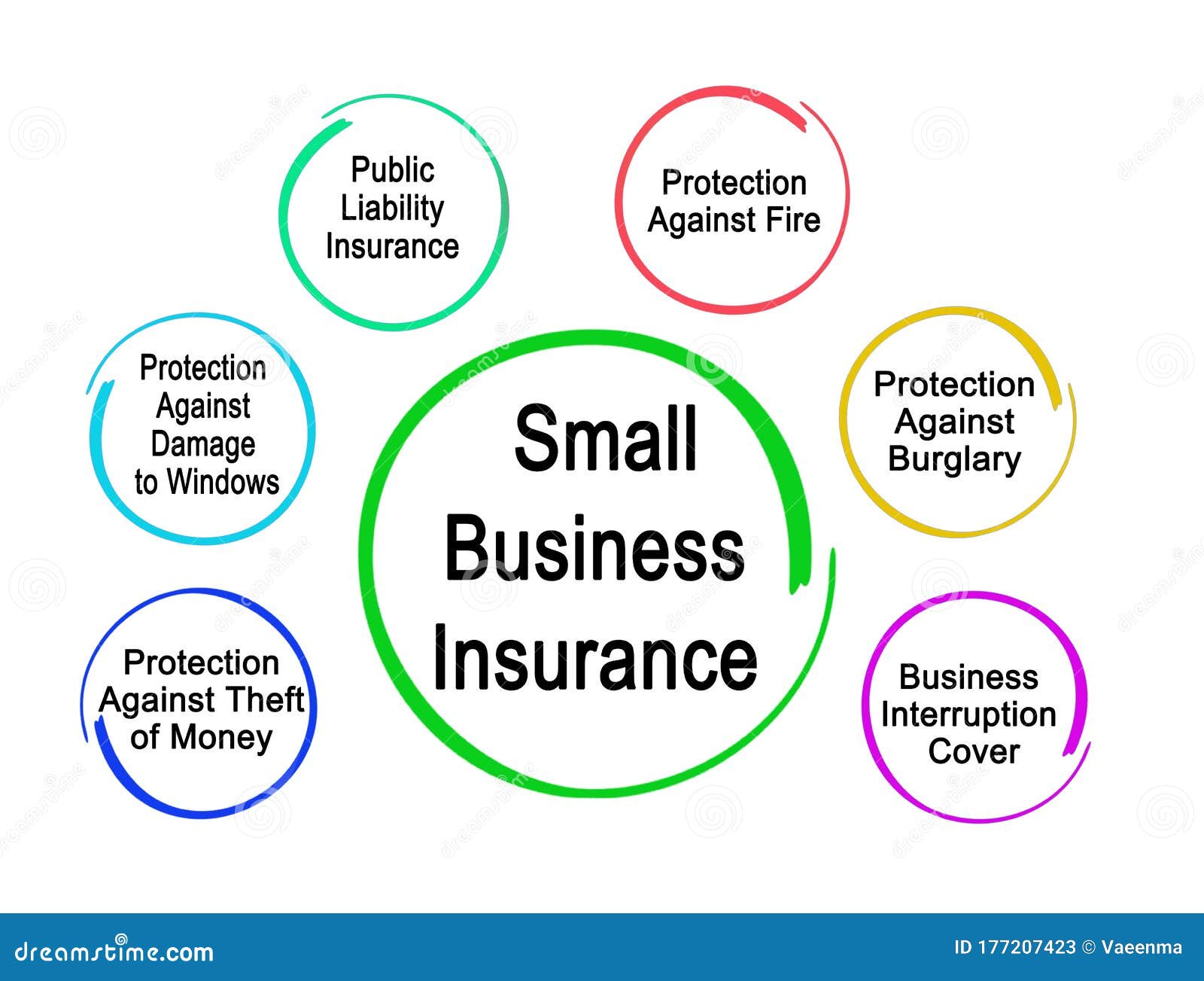
Did you know that 40% of small businesses are uninsured? It’s time to change that. Getting the right insurance is crucial to protect your business.
But how do you navigate the maze of policies, providers, and premiums? Let’s break it down into simple steps that make this process painless and effective.
Step-by-Step Guide to Buying Insurance
The first step in purchasing small business insurance is researching your options. You need to understand what types of insurance your business requires and what each policy covers. It’s crucial to identify your risks and prioritize them.
Once you have your list, it’s time to compare different policies. Don’t just pick the first option you see. Look for providers with a range of coverage options and flexible plans that fit your specific needs.
Here’s the deal: Consultation with a professional can save you tons of time and money. Insurance brokers can offer insights into what coverage is most suitable for your business. They often have access to exclusive deals and can clarify any confusing terms.
Evaluating Insurance Providers
Choosing the right insurance provider is just as important as picking the right policy. To evaluate providers, consider their reputation, customer reviews, and financial stability. A provider with a poor service record or weak financial standing could spell disaster when you need them most.
Pro Tip:
Don’t skip the fine print. Always review and understand all terms and conditions before signing on the dotted line.
It’s tempting to breeze through policy documents, but this could lead to misunderstandings and potential coverage gaps.
Finally, regularly reviewing your insurance policies ensures they’re still relevant as your business evolves. A policy that was perfect last year might not be the best fit today.
Final Thoughts
As we wrap up this journey through the landscape of small business insurance, remember that insurance isn’t just an expense; it’s a pivotal safety net that ensures your business can weather any storm. It’s about laying a strong foundation that guarantees your entrepreneurial dreams won’t crumble at the first sign of trouble. So, evaluate your risks, choose your coverage wisely, and let insurance be the reliable partner that helps drive your business to success.
Q&A
What are the three main types of small business insurance?
The three main types are general liability insurance, property insurance, and professional liability insurance.
Why is general liability insurance important for small businesses?
General liability insurance protects your business from claims of bodily injury, property damage, and advertising injury, safeguarding you from potentially costly lawsuits.
How does property insurance benefit small businesses?
Property insurance covers damage to your business property due to events like fire, theft, or natural disasters, ensuring your business assets are protected.
What role does professional liability insurance play for small businesses?
Professional liability insurance, also known as errors and omissions insurance, protects against claims of negligence or inadequate work, crucial for service-based businesses.
Can small businesses get insurance for digital-related risks?
Yes, small businesses can opt for cyber insurance, which covers damages due to cyber-attacks or data breaches, an essential coverage in today’s digital age.
