Picture this: you’re at the helm of a thriving small business, steering it towards success. But just as you’re sailing smoothly, a sudden storm of unforeseen events can threaten to capsize everything you’ve built. That’s where the guardian angels of commerce come in—commercial insurance. Understanding the ins and outs of this critical safety net can be the difference between smooth sailing and a turbulent voyage.
No entrepreneur wants to dwell on worst-case scenarios, but being prepared can save your business from sinking. With the right commercial insurance, you can protect your dream, ensuring that no storm or squall can derail your course. Now, let’s delve into the world of commercial insurance and discover why it’s indispensable for small business owners.
Understanding Commercial Insurance for Small Businesses
Did you know that 40% of small businesses will face a liability claim in the next 10 years? That’s a staggering number. If you’re a small business owner, commercial insurance isn’t just an option—it’s a necessity.
Here’s the deal: if you don’t have the right coverage, a single incident could drain your finances dry. But with the right insurance in place, you can focus on growth instead of worrying about unforeseen risks.
Essential Types of Commercial Insurance
When it comes to commercial insurance, not all policies are created equal. You need to know which ones are crucial for your business. Let’s break it down:
- General Liability Insurance: Covers claims of bodily injury or property damage.
- Commercial Property Insurance: Protects your physical assets like buildings and equipment.
- Workers’ Compensation: Required in most states, it covers employee injuries.
Each of these types of insurance protects a different part of your business. Without them, you could find yourself in a financial pit you can’t climb out of.
Importance of Commercial Insurance in Operations
Think of insurance as your business’s safety net. No one starts a business thinking they’ll face a lawsuit or a disaster, but these things happen more often than you’d expect. The security of having commercial insurance allows you to take calculated risks, innovate, and grow without constantly worrying about what might go wrong.
Pro Tip: Regularly review and update your policies. As your business grows, so do your risks.
Types of Small Business Insurance

Did you know that 40% of small businesses will experience a property or liability loss in the next 10 years? That’s a staggering number, isn’t it? As a small business owner, it’s crucial to understand the different types of insurance available to protect your investment.
Each type of insurance plays a specific role in safeguarding various aspects of your business. From covering legal liabilities to protecting your physical assets, knowing the right coverage is essential.
General Liability Insurance
General liability insurance is the backbone of your business coverage. It protects you from third-party claims related to bodily injury, property damage, and advertising errors. If a customer slips and falls in your store, this policy steps in. It’s a must-have for every small business owner to shield against potential lawsuits.
Property Insurance
Your business location is a major asset, and property insurance ensures it’s well-protected. This policy covers damage to your building and the contents within it due to fire, theft, or natural disasters. Imagine a storm damaging your storefront; property insurance covers the repair costs.
Workers’ Compensation Insurance
If you have employees, workers’ compensation insurance is non-negotiable. It covers medical expenses and lost wages if an employee gets injured on the job. This type of insurance is often required by law. Without it, you might face serious fines and legal repercussions.
Here’s a quick comparison to help you decide:
| Insurance Type | Key Features | Benefits |
|---|---|---|
| General Liability | Covers legal costs, bodily injury, property damage | Protects against lawsuits, peace of mind |
| Property Insurance | Damage from fire, theft, natural disasters | Asset protection, repair cost coverage |
| Workers’ Compensation | Medical expenses, lost wages for injured employees | Compliance with laws, employee protection |
Pro Tip: Always review your policies annually. Business needs can change, and you want to ensure you’re always covered properly.
Benefits of Having Commercial Insurance

Did you know that over 40% of small businesses never reopen after a disaster? Yes, it’s true. And here’s why that number is so shocking: many of these businesses lacked adequate insurance coverage.
Commercial insurance isn’t just a safety net; it’s a business lifeline. It can shield you from financial ruin and protect you from legal headaches that can sink your business quicker than you think.
Protection Against Financial Loss and Legal Liabilities
Every day, small businesses face risks that can lead to financial disaster. Imagine a customer slipping in your store or a fire damaging your inventory. Without insurance, these incidents could leave you with insurmountable expenses.
- Insurance covers property damage.
- It protects against lawsuits.
- It provides coverage for loss of income.
Here is the deal: if you want to avoid unexpected financial holes, you need a solid insurance policy.
Enhancing Business Credibility and Trust
Here’s something you might not consider: insurance can actually boost your business reputation. When clients see that you’re insured, they know you’re serious and reliable. This builds trust and can lead to more partnerships and deals.
Pro Tip: Display your insurance status in your marketing materials to show potential clients you’re a credible and trustworthy business.
With insurance, you’re not just protecting your assets; you’re also enhancing your business’s standing in the marketplace.
Factors to Consider When Choosing Insurance
Did you know that 40% of small businesses never reopen after a disaster? Choosing the right insurance is crucial. But with so many options, how do you choose the right one?
Here’s the deal: you need to weigh several factors when picking an insurance policy for your small business. From coverage options to customer service, each aspect can make or break your choice.
Critical Factors for Selecting Insurance Policies
First up, understand your risk profile. Different businesses face different risks. For example, a tech startup might prioritize cyber liability insurance, while a retail store might need more comprehensive general liability insurance. Knowing your specific needs is the first step.
Next, consider the coverage limits. It’s easy to go for the cheapest option, but does it offer enough coverage? Under-insurance can leave you vulnerable. Always ensure the coverage limit matches your business size and risk exposure.
Exclusions and Deductibles are also a biggie. What isn’t covered in your policy? And how much will you need to pay out-of-pocket before the insurance kicks in? These details can seriously impact your choice.
Comparing Different Insurance Providers
After considering what you need, it’s time to look at the providers. Not all insurance companies are created equal. Some might offer better rates, while others excel in customer service. Here’s how you can compare them:
| Provider | Coverage Options | Customer Service Rating | Premium Cost |
|---|---|---|---|
| Company A | General Liability, Cyber, Property | 4.5/5 | $$$ |
| Company B | General Liability, Professional Liability | 4.0/5 | $$ |
| Company C | General Liability, Workers’ Comp | 3.8/5 | $ |
Pro Tip: Don’t just go by the numbers. Check online reviews and ask for referrals. A personal recommendation can be worth its weight in gold.
Guide for Evaluating and Selecting Insurance
Now, let’s structure a quick guide to help you choose the best insurance. Here are the steps:
- Identify your business risks and insurance needs.
- Research and list potential insurance providers.
- Use a comparison table to evaluate coverage, cost, and service.
- Read the fine print for exclusions and deductibles.
- Seek expert advice or referrals if needed.
By following these steps, you can make an informed choice that protects your business and ensures peace of mind.
Cost of Small Business Insurance
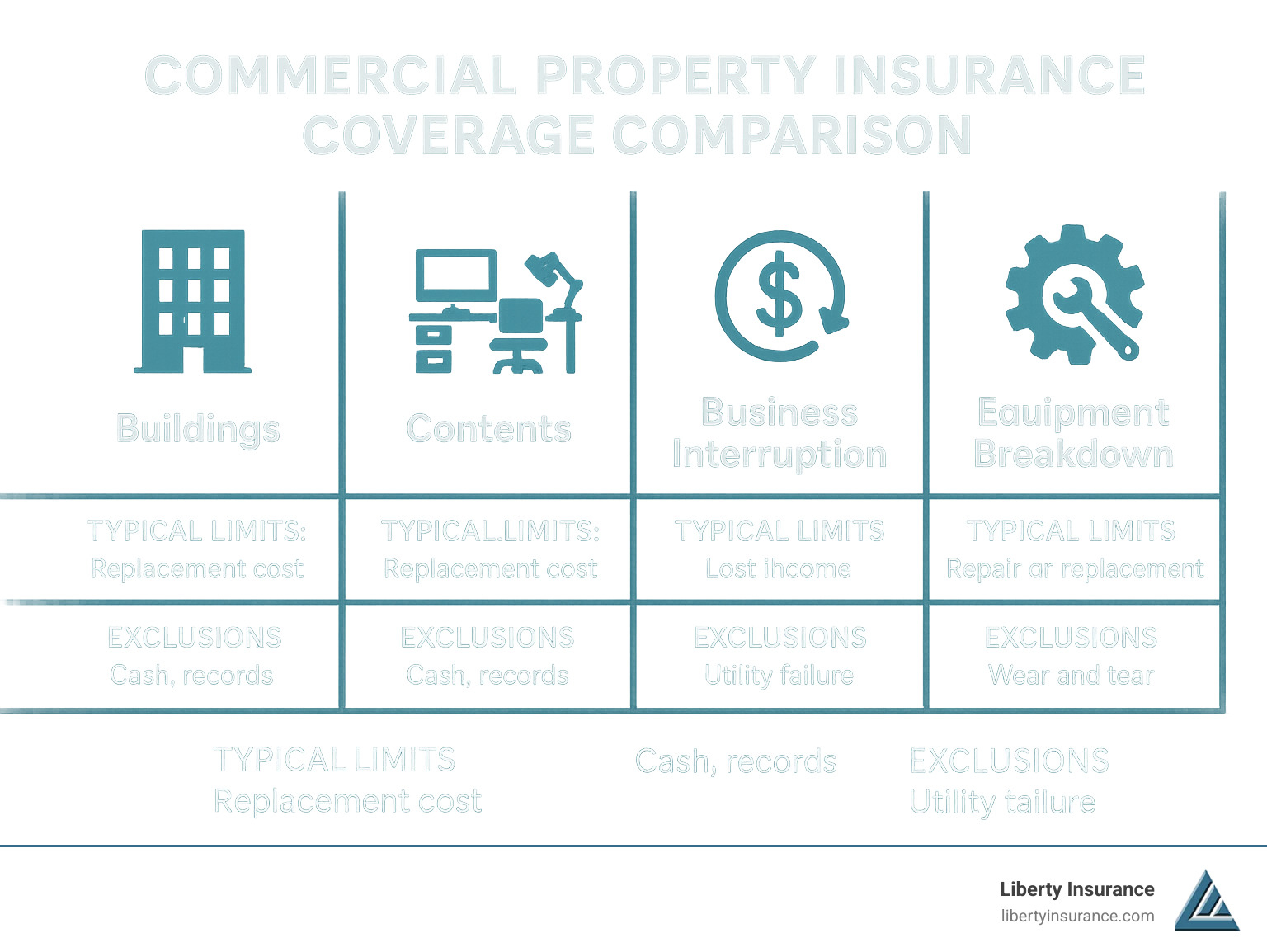
Ever wondered why your small business insurance costs what it does? The answer can be quite surprising. There are a multitude of factors that influence the cost, ranging from your industry to the specific type of coverage you need.
But here is the deal: understanding these factors can help you make more informed decisions and possibly save money in the long run. Let’s dive into what really makes up the cost of small business insurance.
Factors Influencing Insurance Costs
Your business type is a major player. A tech startup typically pays less for insurance than a construction company. Why? Because the construction industry inherently involves more physical risk. The size of your business also matters; larger businesses usually face higher premiums.
Here’s a shocking stat: 40% of small businesses are unprepared for the impact of insurance costs. The more employees you have and the higher your revenue, the more you might end up paying. But don’t worry, size isn’t everything. Coverage needs also play a critical role.
- Your industry and risk level
- Business size and revenue
- Types and levels of coverage needed
Strategies to Manage Insurance Costs
Now, let’s talk strategy. You don’t have to accept high premiums without a fight. One effective strategy is to bundle policies. By combining different types of insurance, you can often get a better rate.
Another smart move is to increase your deductible. This can significantly reduce your premium payments. However, caution is crucial here, as a higher deductible means more out-of-pocket expenses in the event of a claim.
Pro Tip: Regularly review your coverage to ensure you’re not over-insured.
Consider working closely with an insurance broker who understands your industry. They can provide insights and help you find policies that offer the best value.
Impact of Business Characteristics on Pricing
How does your business stack up? The size, industry, and specific coverage needs of your business all impact pricing. For example, a small retail shop will have different insurance needs compared to a large manufacturing plant.
Industry-specific risks can drive costs up or down. For instance, a business in a high-risk area for natural disasters might face higher premiums. On the flip side, a business with robust risk management practices might enjoy discounts. Remember, the more you understand about how these factors play into your costs, the better positioned you are to manage them effectively.
Case Studies and Examples
Ever wondered how some small businesses survive disasters while others fall apart? The key often lies in their insurance choices. Let’s dive into the stories of small businesses thriving thanks to the power of commercial insurance.
In the world of small business, having the right insurance can mean the difference between bouncing back from a setback or closing up shop. Through these real-life examples, you’ll see how small businesses have either flourished with the right coverage or struggled without it.
The Coffee Shop That Dodged a Bullet
Imagine this: a bustling coffee shop in the heart of the city experiences a kitchen fire. This could have been the end for Joe’s Coffee Corner. BUT, because they had comprehensive commercial property insurance, they quickly rebuilt and reopened within weeks. Their insurance covered not just the repairs, but also the income they lost during the downtime.
Here is the deal: without that insurance, Joe’s Coffee Corner might have closed permanently.
“Our insurance policy was our lifeline during those tough weeks.” – Joe, Owner of Joe’s Coffee Corner
A Retail Store’s Close Call
When a major storm hit their area, Sara’s Boutique was heavily damaged. The storm left destruction in its wake, and businesses that were underinsured faced massive financial burdens. However, Sara had invested in business interruption insurance, which was her saving grace. This policy helped cover the costs of relocating temporarily and kept her from losing her entire inventory.
“Insurance didn’t just save my business; it saved my sanity.” – Sara, Owner of Sara’s Boutique
The Freelancer’s Warning
Freelancers often underestimate the need for insurance. Meet Tom, a graphic designer who learned this the hard way. A client sued him over a copyright dispute, and without professional liability insurance, Tom was on the hook for thousands in legal fees. He realized too late that skipping on insurance wasn’t a gamble worth taking.
“I thought insurance was optional. Now, I know it’s essential.” – Tom, Freelancer
Here’s a Pro Tip: Always assess the unique risks your business faces and ensure your insurance covers those specific needs. A little foresight can save a lot of heartache.
Closure
In the unpredictable ocean of business, having the right commercial insurance is like having a sturdy lifeboat. It’s not just about safeguarding assets; it’s about securing peace of mind and fostering trust with your clientele. As you chart your business’s voyage, consider commercial insurance your steadfast compass, guiding you through markets’ choppy waters.
Common Queries
What are the three main types of commercial insurance for small businesses?
The three main types are liability insurance, property insurance, and workers’ compensation insurance.
Why is commercial insurance crucial for small businesses?
Commercial insurance protects businesses from financial losses, legal liabilities, and enhances credibility with clients and partners.
How can small businesses reduce insurance costs?
Businesses can reduce costs by evaluating their coverage needs, comparing providers, and implementing risk management strategies.
What factors influence the cost of small business insurance?
The cost is influenced by the business size, industry, location, and specific coverage requirements.
Can commercial insurance improve business credibility?
Yes, having insurance can enhance credibility by demonstrating responsibility and reliability to clients and partners.
What happens if a business lacks proper commercial insurance?
Without proper insurance, businesses face risks of financial loss, legal issues, and potential reputational damage.
