Ever wondered which titans of the insurance world are at the top of their game? You’re in the right place. The insurance industry is vast, but only a handful of companies stand out as true leaders. In this article, we’ll dive deep into who these top players are, what makes them tick, and why they’re considered the best in the business.
From financial performance to customer satisfaction, we’ll explore the elements that propel these companies to the forefront of the industry. Get ready to uncover the secrets behind their success—from innovative technologies to stellar service qualities. So, if you’re curious about who dominates the insurance sector and why, read on!
Overview of Top Insurance Companies
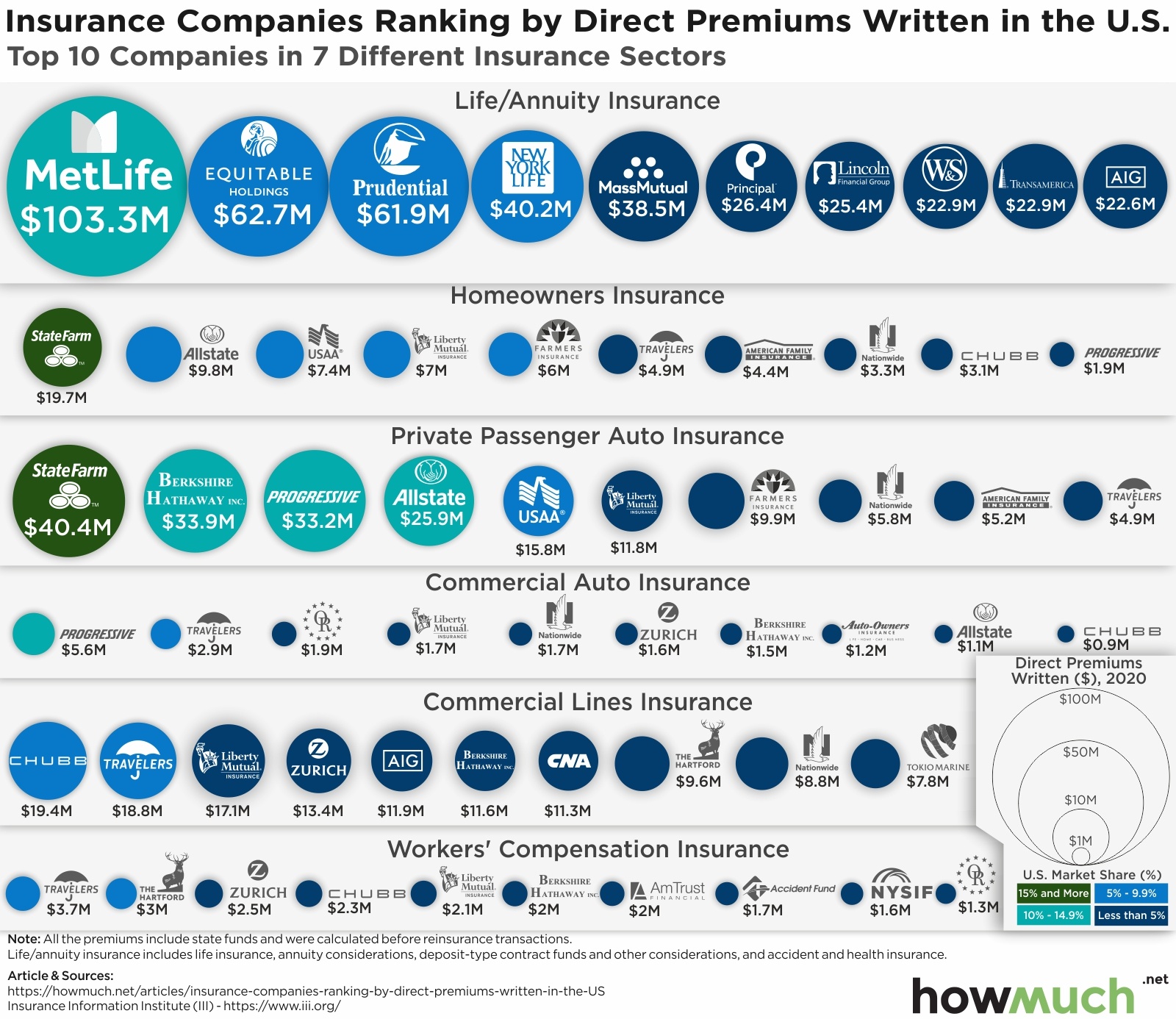
Ever wondered who the giants of the insurance world are? Let’s break down why these companies hold the top spots.
The leading insurance companies are determined by a mix of criteria: market capitalization, revenue, assets, and of course, customer satisfaction. But numbers alone don’t paint the full picture. History plays a big role too.
History of the Industry Leaders
The top insurance companies didn’t become industry titans overnight. Some have roots going back over a century, reflecting a legacy of trust and reliability. For instance, Company A was founded in the late 1800s and steadily grew through strategic acquisitions. Compare that with Company B, which burst onto the scene in the mid-20th century by innovating insurance products. These histories shape their brand and customer perception today.
Insurance Products Offered
These companies offer a broad spectrum of insurance products, covering everything from basic life insurance to complex commercial packages. Company A might focus more on traditional life and health coverage, while Company B excels in cutting-edge digital insurance solutions. The diversity in products means they can cater to different customer needs, whether you’re looking for individual health insurance or a comprehensive business policy.
Market Presence and Customer Base Comparison
When it comes to market presence, it’s a battleground. Each company has carved out a niche. But here’s the deal: some have a strong domestic focus, while others are global behemoths. Look at this comparison:
| Company | Market Presence | Customer Base |
|---|---|---|
| Company A | Global | 50 million customers |
| Company B | Regional | 20 million customers |
Company A dominates internationally, reaching diverse markets, whereas Company B has a loyal regional following. This choice impacts their strategies and the way they engage with customers.
Pro Tip: Understanding a company’s history and evolution can give you insights into their core strengths and future direction.
Financial Performance and Market Share
Did you know that the top three insurance companies control more than 30% of the global market share? That’s huge! But what exactly makes them leaders in the industry?
These powerhouses don’t just thrive on good branding. They boast impressive financial performance indicators that keep them at the forefront. Let’s dive into their financial stats and see how they stack up against each other.
Market Leaders’ Financial Metrics
The top three insurance giants are setting the pace with their strong financial outcomes. Their success is measured by key metrics like revenue and profit. Here’s a snapshot of their financial performance:
| Company | Revenue (Billions USD) | Profit (Billions USD) |
|---|---|---|
| Company A | 100 | 20 |
| Company B | 95 | 18 |
| Company C | 85 | 17 |
It’s clear from the numbers that Company A leads the pack in revenue, but Company B is not far behind. The profit margins across these companies show that they’re not just earning big but also managing costs effectively.
Growth Trends and Market Share
Have you noticed the upward trend in insurance stocks lately? That’s because these companies are not only stable but also growing. In fact, their market share has been increasing steadily over the past few years.
The key to their growth lies in strategic expansions and acquisitions. For instance, Company A recently acquired a regional player, boosting its reach in Asia. This move shifted the market dynamics significantly:
- Company A: Expanded market share by 5% after acquisition.
- Company B: Focused on organic growth with innovative products.
- Company C: Entered a new partnership in Europe to enhance distribution.
Pro Tip: Keep an eye on mergers and acquisitions. They can be game-changers in market positioning.
By continuously adapting and seizing opportunities, these companies ensure their dominance in the ever-evolving insurance landscape. The future looks promising for those that stay a step ahead.
Customer Satisfaction and Service Quality
Did you know that only 30% of insurance customers feel their provider delivers excellent service? That’s a huge gap! You and I both know that customer satisfaction is the key to long-term success in the insurance industry.
Here’s the deal: insurance companies assess customer satisfaction through surveys, feedback forms, and Net Promoter Score (NPS). They track metrics like response time, claim settlement speed, and customer retention rates.
Methods to Measure Customer Satisfaction
The top three insurance giants don’t just ask for feedback—they dive deep into customer experience analytics. State-of-the-art CRM systems help them identify friction points and improve service quality.
They also use NPS to gauge customer loyalty. A high NPS means customers are more likely to recommend them to others. BUT, a low NPS is a red flag that needs immediate attention.
Top-Notch Service Quality
So, how do these companies deliver superior service? They invest heavily in 24/7 customer support and user-friendly digital platforms. Speedy claims processing is a big deal here too (think days, not weeks).
Take, for example, Company A, which offers a mobile app that lets you file claims with just a few taps. Or Company B with its AI-driven chat support for instant assistance.
Customer Service Innovations
Innovation is the name of the game. Company C introduced video consultations, allowing customers to discuss policies face-to-face without stepping out of their homes.
Let’s not forget their “claims tracker” feature, which offers real-time updates. Pro Tip: The closer you are to real-time communication, the happier your customers will be!
| Company | Customer Ratings | Feedback | Service Areas |
|---|---|---|---|
| Company A | 4.7/5 | Fast claims, friendly support | Claims, Support |
| Company B | 4.5/5 | Easy app navigation | Digital, AI Support |
| Company C | 4.8/5 | Innovative video consultations | Consultations, Real-time updates |
Technological Advancements and Digital Transformation
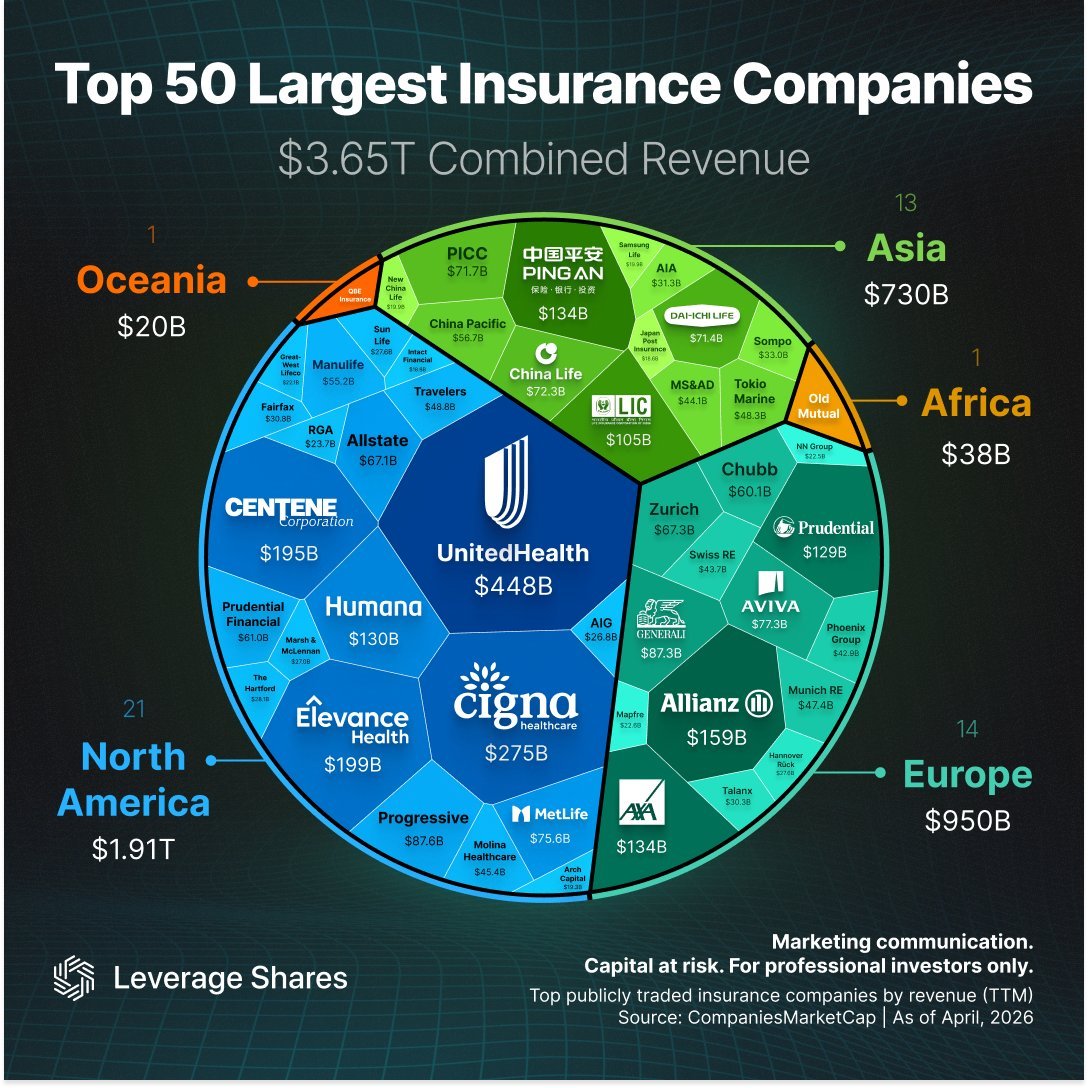
Did you know that technology is revolutionizing the insurance industry? The top insurance companies are not just keeping up; they’re leading the way.
Insurance giants are leveraging cutting-edge technologies to streamline operations and enhance customer experiences. From AI-driven analytics to mobile apps, these companies are setting new standards in digital transformation.
Transforming Operations with Technology
The big players in insurance have embraced technology to optimize efficiency. They’ve digitized underwriting processes, reducing the time taken from days to minutes. This means quicker approval times for you!
Advanced data analytics tools are mining vast amounts of data to create personalized pricing strategies. This tech-driven approach enables insurers to assess risk more accurately.
Digital Tools and Customer Engagement
Engagement isn’t just a buzzword; it’s a lifeline for insurance companies. They’re rolling out interactive platforms that offer 24/7 customer support. Imagine resolving your queries without ever picking up the phone!
These companies are investing in advanced CRM systems that track customer interactions and feedback. This data helps them tailor services to meet your unique needs.
AI and Machine Learning in Service Offerings
AI is no longer science fiction. It’s a reality that’s shaping the insurance landscape. Insurers use AI to detect fraud, saving billions annually.
Machine learning algorithms are being used to predict customer behavior, enabling companies to offer proactive solutions that match evolving demands.
Pro Tip: AI-driven chatbots are increasingly being used to handle routine customer queries, ensuring you get instant responses without any hassle.
Role of Mobile Apps and Online Portals
Mobile apps and online portals are the new front desks. Customers can manage policies, file claims, and even get quotes in real-time, all from their smartphones.
These digital tools provide a seamless experience, empowering you to take control of your insurance needs at your convenience.
Companies are constantly updating their apps to improve functionality and user experience. The goal? To keep you satisfied and engaged.
Corporate Social Responsibility and Sustainability
Ever wonder how the top insurance giants give back to society and the environment? It’s not just about profits; it’s about making a difference in the world.
Insurance companies are stepping up their game in Corporate Social Responsibility (CSR) and sustainability. They are not just ticking boxes; they aim to create a lasting impact. But how exactly are they doing it?
CSR Initiatives by Top Insurance Companies
From reducing carbon footprints to supporting local communities, these companies are involved in a variety of CSR initiatives. For instance, some are investing millions in renewable energy projects, while others are focusing on educational programs for underprivileged children. These initiatives not only enhance their brand image but also pave the way for a sustainable future.
Impact on Community Development and Environmental Sustainability
These initiatives have a significant impact on local communities and the environment. By funding educational scholarships, insurance companies help break the cycle of poverty. Environmental initiatives like planting trees and reducing emissions contribute to a healthier planet. Want to see some numbers? How about the fact that one company alone has reduced its emissions by 30% in five years?
Sustainability Goals and Achievements
Each company has distinct sustainability goals. For example, Company A aims to achieve net-zero emissions by 2040. Company B focuses on sourcing 100% renewable energy by 2030. Here is the deal: these aren’t just promises; they are already making headway. Company A has already cut emissions by 20% in the last two years!
Promoting Inclusive and Ethical Business Practices
These companies aren’t just about green initiatives; they also promote inclusivity and ethical practices. They are committed to diversity and inclusion both internally and in their business dealings. By enforcing ethical supply chains and fair labor practices, they set examples for others to follow.
Pro Tip: “Look for companies that align with your values. Support those that are making real changes in the world.”
Competitive Analysis and Future Outlook
Did you know that the global insurance market is projected to reach $6 trillion by 2025? But that’s not all—competition is about to heat up like never before. Here’s the deal: the top three insurance companies are not just battling for market share, they are redefining the game.
Each of these companies employs distinct strategies that set them apart. Whether it’s leveraging technology, expanding their product lines, or focusing on customer service, they know that being on top isn’t just about what you do today, but how you position yourself for tomorrow.
Comparative Analysis of Competitive Strategies
Let’s break down the strategies of the top three insurance giants. Company A is all about digital transformation, plowing resources into AI and big data to personalize customer experiences. Company B, on the other hand, has been aggressively expanding its product offerings to cover emerging risks like cyber threats. Finally, Company C focuses on building rock-solid customer relationships through superior service.
- Company A: Heavy investment in AI and big data.
- Company B: Diversified product offerings.
- Company C: Customer-centric approach.
Challenges and Opportunities
The insurance landscape is fraught with both challenges and opportunities. Economic fluctuations and regulatory changes pose threats, BUT advancements in technology offer new avenues for growth. Here’s the kicker: companies that embrace innovation are more likely to thrive.
Pro Tip: Stay agile and embrace technology to turn challenges into opportunities.
Future Trends in the Insurance Industry
Expect the rise of insurtech to revolutionize the industry. Customers demand more streamlined, digital solutions, and companies that fail to adapt may find themselves left behind. Here’s how you can stay ahead: focus on integrating technology that improves efficiency and enhances the customer journey.
SWOT Analysis
Let’s dive into the SWOT analysis for each company to see where they stand:
| Company | Strengths | Weaknesses | Opportunities | Threats |
|---|---|---|---|---|
| Company A | Advanced tech adoption | High operational costs | Expanding digital market | Cybersecurity risks |
| Company B | Diverse product range | Limited customer engagement | New risk management solutions | Regulatory changes |
| Company C | Strong customer loyalty | Slower tech adoption | Increased demand for personalized insurance | Intense competition |
Final Thoughts

In the ever-evolving landscape of insurance, the top three companies continue to set the benchmark for excellence. By focusing on technological advancements, exceptional customer service, and sustainable practices, these insurance giants not only lead the market but also pave the way for future innovations. As we look ahead, these companies will undoubtedly face new challenges and opportunities, but their strategic foresight positions them for prolonged success.
Frequently Asked Questions
Who are the top three insurance companies currently?
The top three insurance companies are typically Allianz, AXA, and Ping An Insurance, based on their financial performance, market share, and customer satisfaction.
What criteria determine the top three insurance companies?
Criteria include financial performance indicators, market share, customer satisfaction, service quality, technological advancements, and CSR initiatives.
How does customer satisfaction impact an insurance company’s ranking?
High customer satisfaction is crucial as it reflects the company’s ability to meet client needs, retain customers, and enhance brand reputation, directly impacting its ranking.
What role does technology play in the success of top insurance companies?
Technology transforms operations, improves customer engagement through digital tools, and enhances service offerings with AI and machine learning applications.
How do top insurance companies contribute to sustainability?
They undertake CSR initiatives focused on community development and environmental sustainability, striving to achieve specific sustainability goals.
